Onam Rangoli Designs: Pookalam Ideas That Bring Kerala’s Harvest Festival Home
Onam rangoli designs turn a courtyard into a flower carpet in minutes. I have made pookalam every Onam season in Kerala, layering petals ring by ring until the pattern glows. This guide walks you through every step, from picking flowers to laying out the final circle.
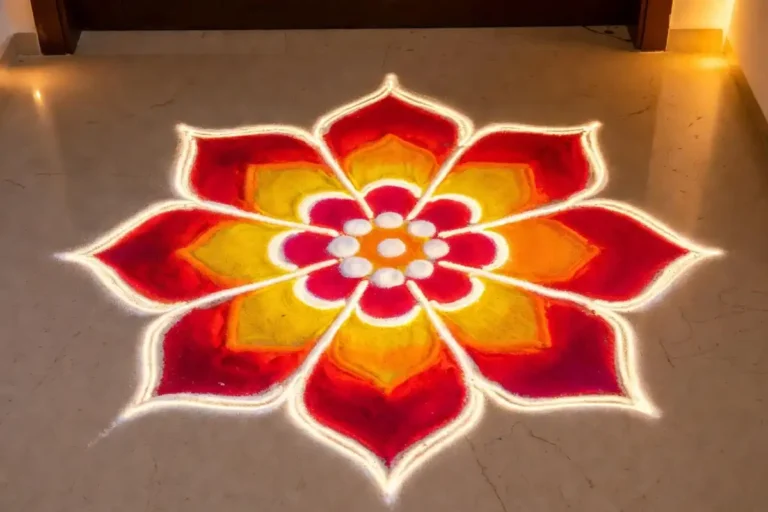
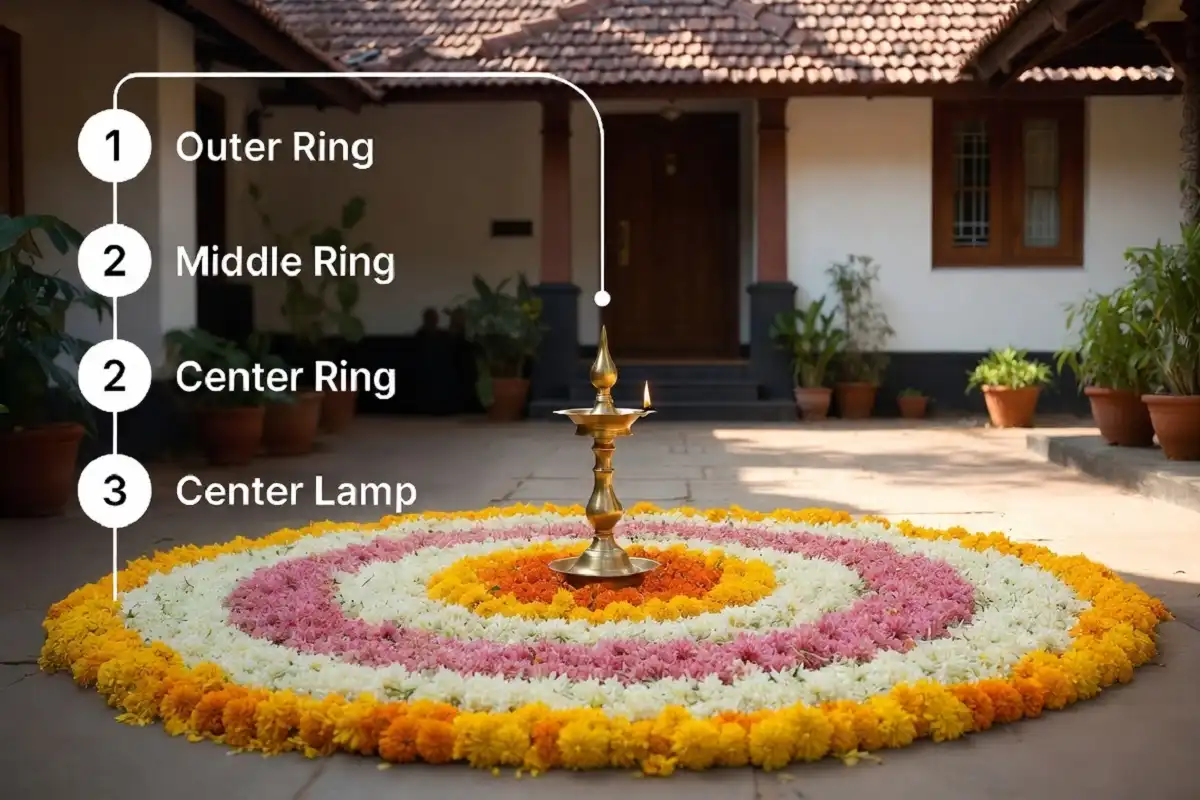
The easiest Onam rangoli designs use a circular pookalam with three petal rings. Start with a marigold border, add chrysanthemum in the middle, and finish with a jasmine center for a balanced, festival-ready floor pattern.
What Makes Onam Rangoli Designs Different From Regular Rangoli?
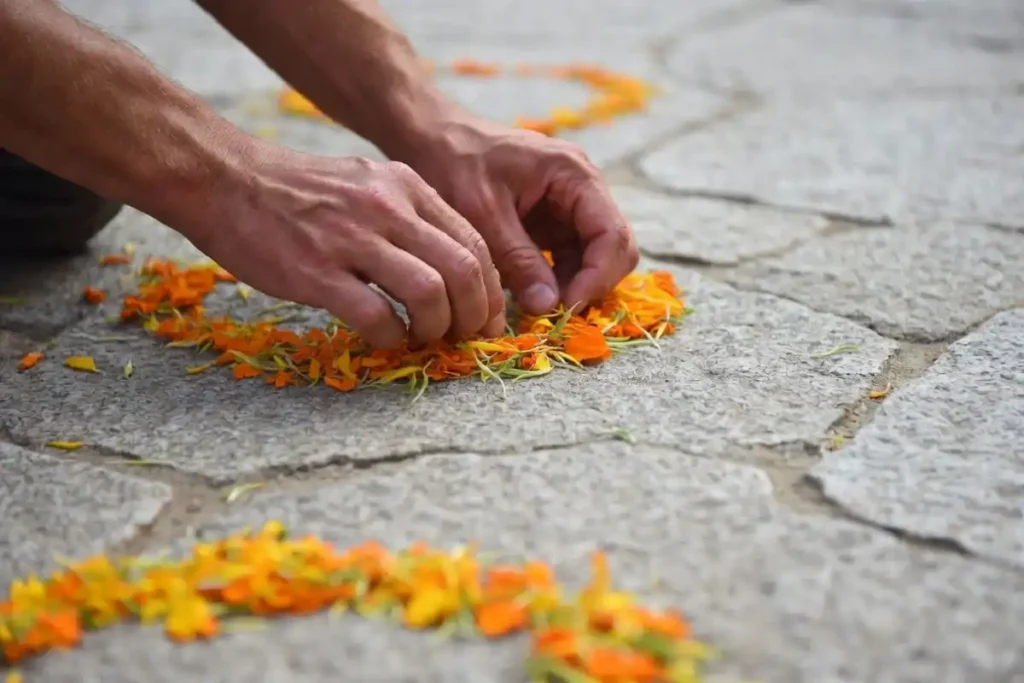
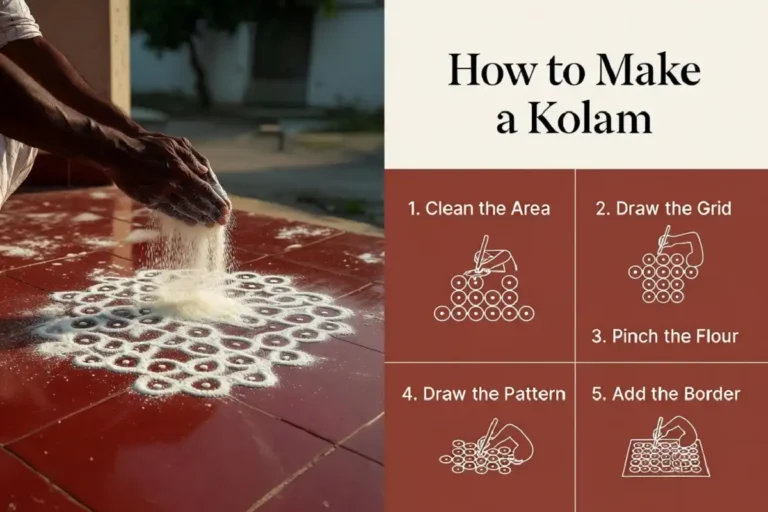
Fresh flowers replace colored powder here, not chalk lines or dye. This tradition, called pookalam, marks the ten-day Onam festival in Kerala and welcomes King Mahabali back home. Pookalam grows bigger each day, starting small on Atham and reaching full size by Thiruvonam. Unlike the traditional kolam patterns used in Tamil homes, every petal replaces the rice powder lines drawn by hand.
Materials You Need for Onam Rangoli Designs
- Marigold, chrysanthemum, jasmine, and hibiscus form the base of most flower-based patterns here.
- Banana leaf edges work well for outlining the first circle.
- Keep a shallow tray ready to separate petals by color before you start, since sorting mid-design slows down the whole process.
- A bamboo stick or piece of chalk helps mark the center point and outer boundary, a habit worth building into every one of your Onam rangoli designs.
If you enjoy working with blooms beyond Onam, I cover more fresh flower rangoli patterns in a separate guide for daily use.
How to Make Onam Rangoli Designs Step by Step
Draw a large circle on the ground first, then divide it into equal sections using a string tied to the center point.
Fill the outer ring with yellow marigold petals, packed tight so no gaps show through.
Move inward with a second ring of white or red chrysanthemum.
Add jasmine near the core for fragrance and contrast.
Most pookalam patterns end with a small brass lamp placed right at the center once the petals settle.
Simple Onam Rangoli Designs for Beginners
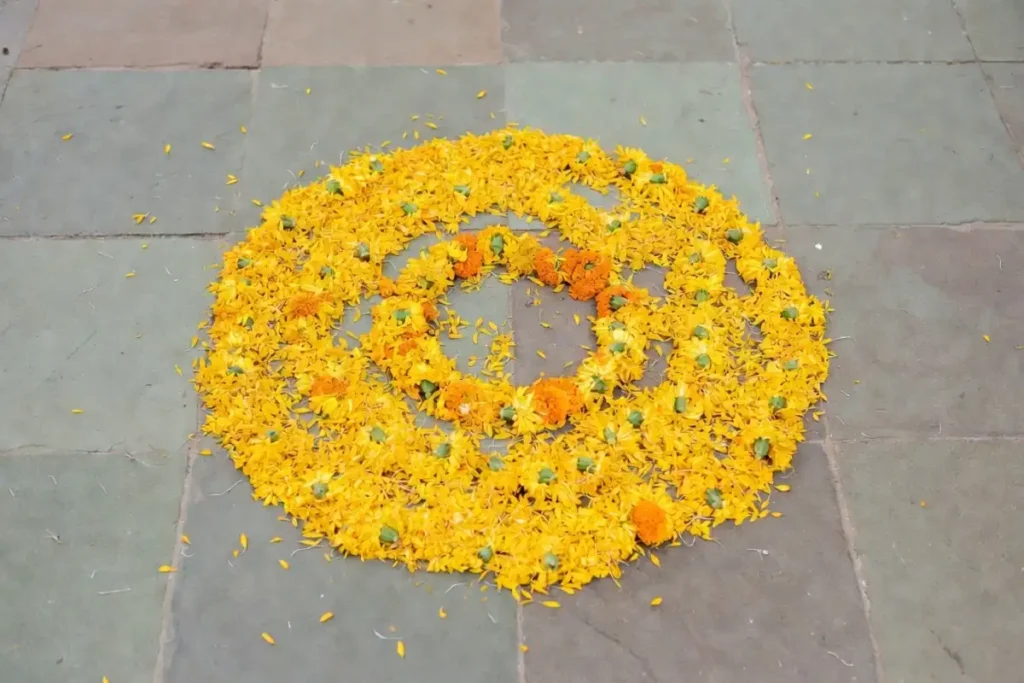
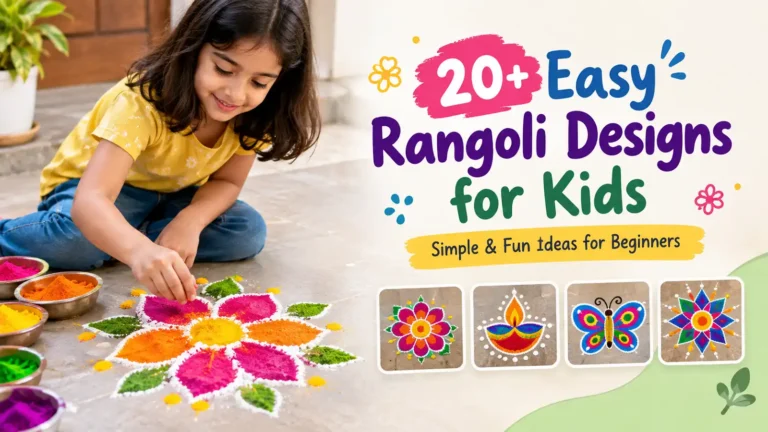
A single-ring pookalam is the fastest layout to attempt. Mark a circle about two feet wide, use one flower type, and fill it evenly from the edge toward the center.
Add a second color only once the first ring sits flat and even. This version takes under twenty minutes and still looks complete for early Onam days such as Atham or Chithira.
Onam Rangoli Designs for Each Day of Atham to Thiruvonam
Pookalam grows across ten days, and each day adds a new ring or color.
Atham
Keep it to one small circle of yellow flowers.
Chithira & Chodhi
Add a second ring and place a base layer of green leaves underneath.
Uthradom
Calls for a wider design with four or five colors working together.
Thiruvonam
The final day needs the largest pookalam, often five to seven feet across, built with a full geometric layout and a lit lamp at the center.
Advanced Onam Rangoli Designs for Competitions
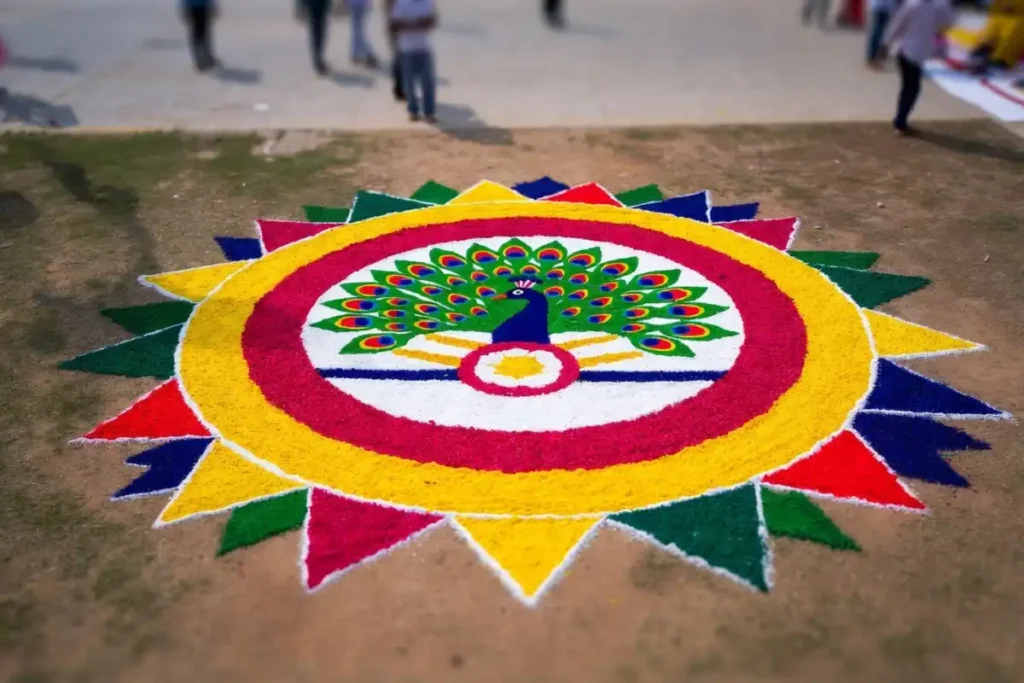
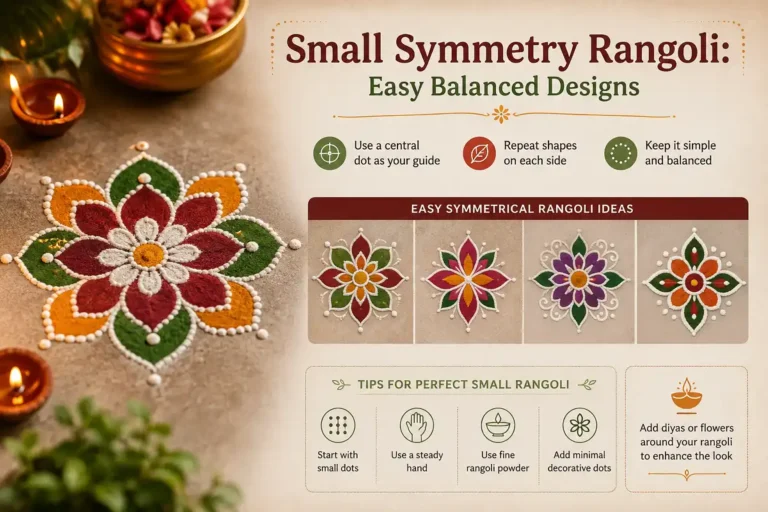
Layered geometric patterns score highest at festival competitions. Judges look for symmetry, smooth color transitions, and clean petal edges. Build the design in concentric rings, alternating warm and cool colors so the pattern reads clearly from a distance. A peacock or lotus motif at the center raises the visual impact without adding much extra build time.
The same layering method shows up in Pongal harvest floor art from Tamil Nadu, just with rice flour standing in for the petals used in Onam rangoli designs. Practice the outline on paper before working with real flowers, since mistakes are hard to fix once petals are placed.
Color Combinations That Work Best in Onam Rangoli Designs
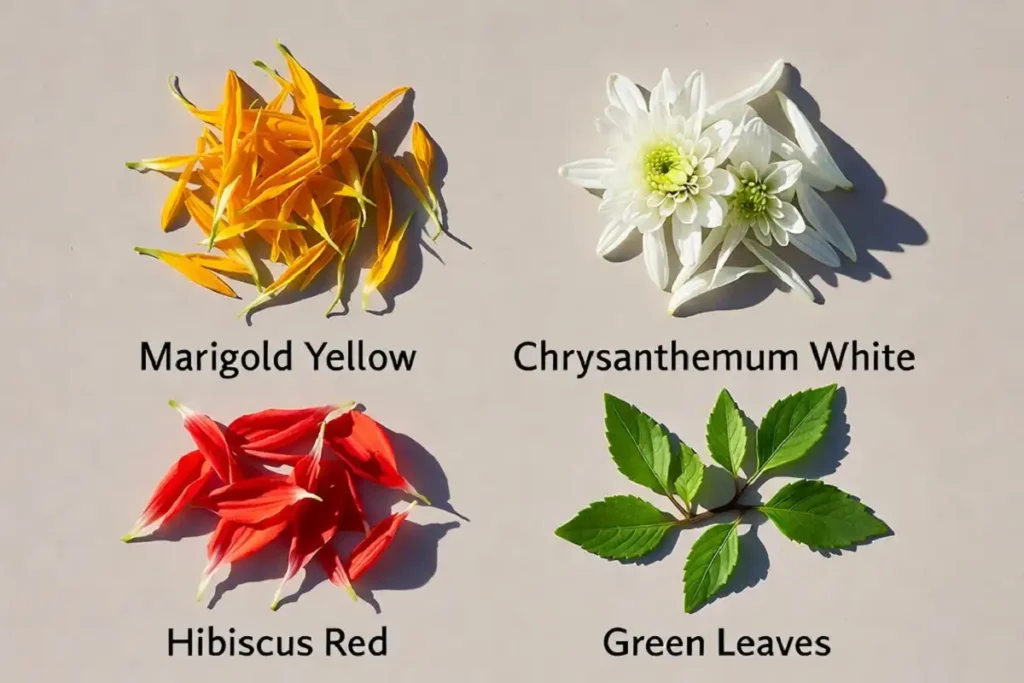
Yellow, red, and green stay the most reliable palette for this style.
How to Keep Onam Rangoli Designs Fresh Through the Day
- A light water spray over the petals every few hours keeps the pattern fresh through Kerala’s heat.
- Shade the design between late morning and early afternoon if you can manage it.
- Choose flowers that hold their shape longer, such as marigold and chrysanthemum, over softer petals like rose, which wilt faster outdoors.
Beautiful Onam Rangoli Designs: Build Your Pookalam Day by Day
Onam rangoli designs, also known as Pookalam, reward patience and creativity more than advanced artistic skill. Start with a simple design on Atham, using a few fresh flower petals and basic shapes, then add a new ring or pattern each day as Thiruvonam approaches.
You don’t need a complicated design to make your entrance look festive and welcoming. Keep your color palette balanced, choose flowers in different shades for contrast, and make sure each layer connects naturally with the previous one.
As the days pass, your small rangoli can gradually grow into a beautiful, detailed centerpiece for your Onam celebration. Once the design is complete, placing a traditional lamp at the center can add an extra warm and festive touch.
FAQs
Can Onam rangoli designs be made without flowers?
Yes, though it moves away from tradition. Colored rice, rangoli powder, or dried petals work as substitutes when fresh flowers are hard to source.
Which flowers should I avoid using?
Skip delicate petals like rose or lily for outdoor pookalam. They wilt within hours and lose shape before the day ends.
Does the pookalam need to be a perfect circle?
No. Square, hexagonal, and star-shaped layouts all appear in Kerala homes. The circle stays common because it is easiest to divide into even rings.