Competition Unique Rangoli Designs: A Blend of Tradition and Creativity
Creating Competition-Ready Rangoli Designs
For generations, Indian homes and courtyards have been decorated with the ancient art of Rangoli. Made with rice, flowers, colored powders, and other materials, these patterns are beautiful while also carrying deep spiritual and cultural meaning.
Over time, Rangoli has grown beyond its traditional setting and become a celebrated competitive art form. In this guide, we explore competition unique rangoli designs, including themes, creative ideas, practical techniques, and ways to make your artwork stand out.
Rangoli’s Importance in Competition
Competition unique rangoli designs contests are not simply about creating a beautiful pattern. They provide a platform for originality, accuracy, cultural awareness, and artistic expression.
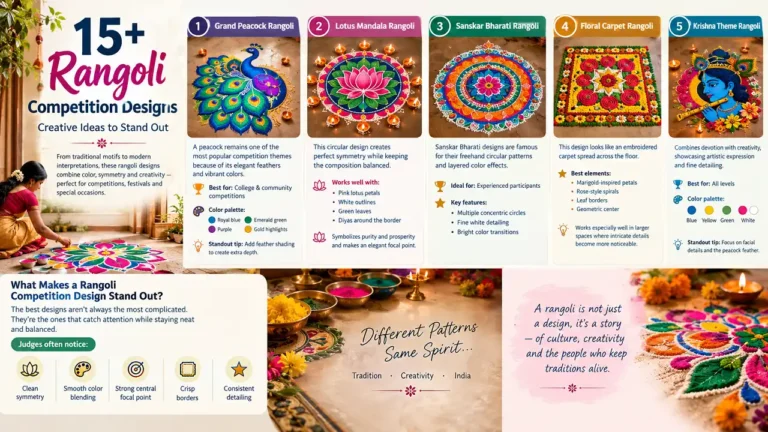
Participants may be judged on theme adherence, color selection, design intricacy, execution, and overall creativity. A successful entry therefore requires more than technical skill. It needs a clear artistic viewpoint and enough visual impact to capture the attention of the judges and audience.
Explore small traditional Rangoli ideasExamining Customary Rangoli Designs
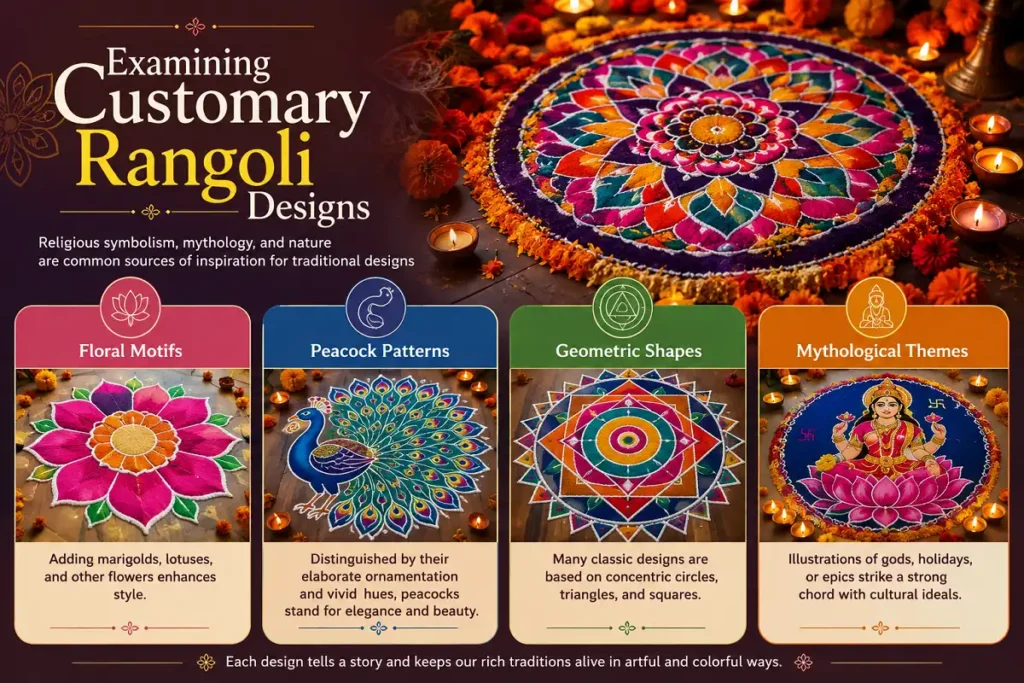
Traditional Rangoli designs often draw inspiration from nature, religious symbolism, mythology, and cultural traditions. These familiar elements can be reinterpreted creatively to give a competition entry both authenticity and individuality.
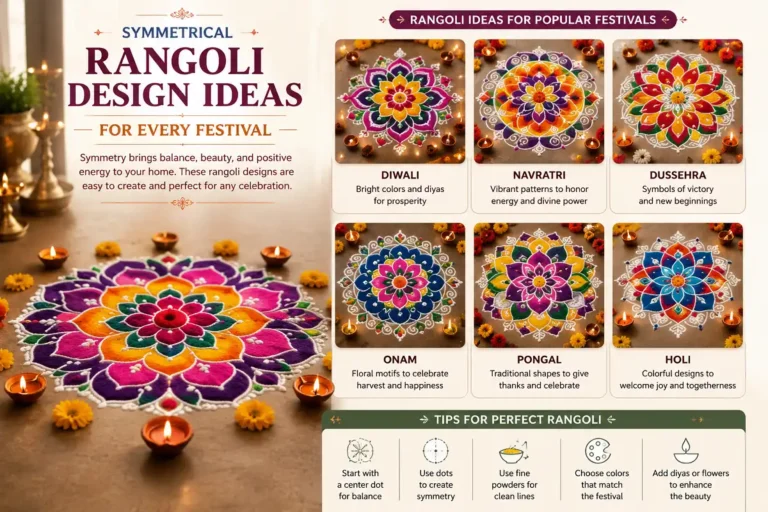
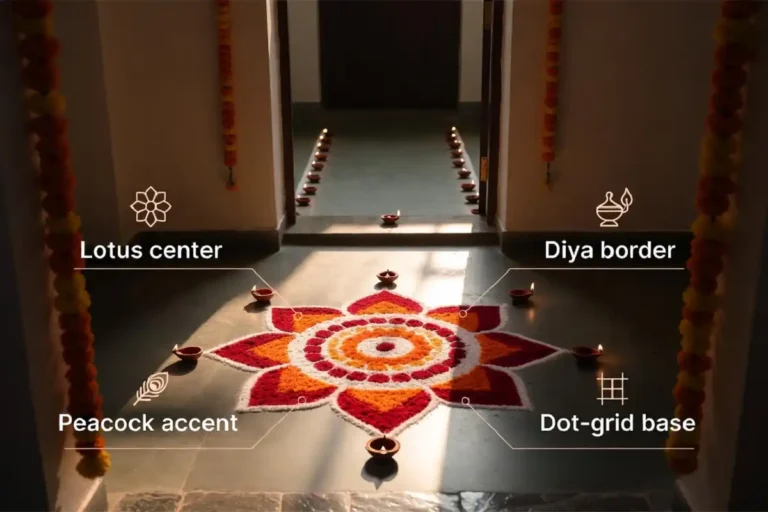
Floral Motifs
Marigolds, lotuses, petals, and other floral forms can add softness, rhythm, and decorative richness to a design.
Peacock Patterns
Peacock motifs are known for elaborate ornamentation and vivid colors, representing elegance and beauty.
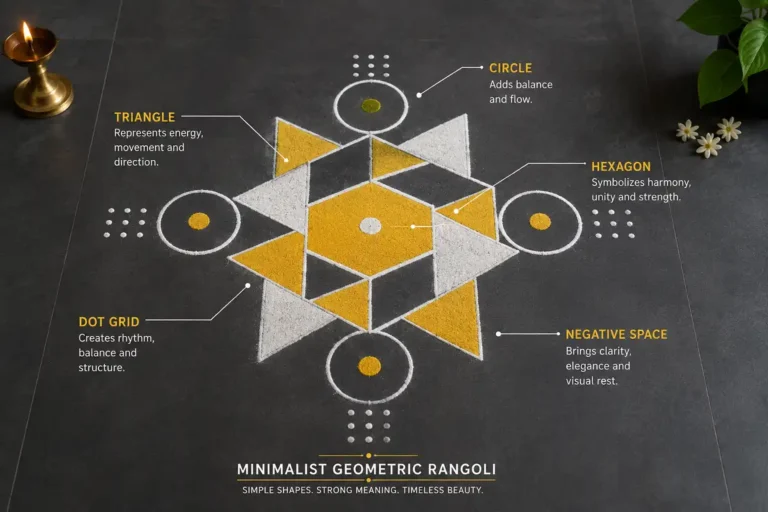
Geometric Shapes
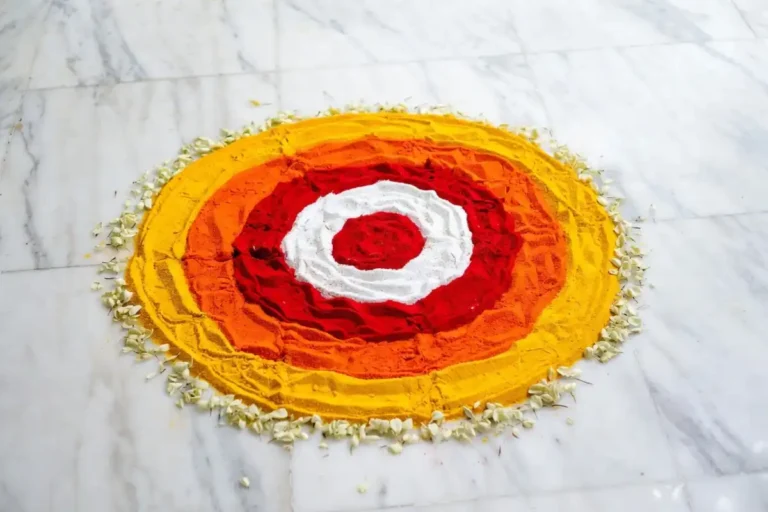
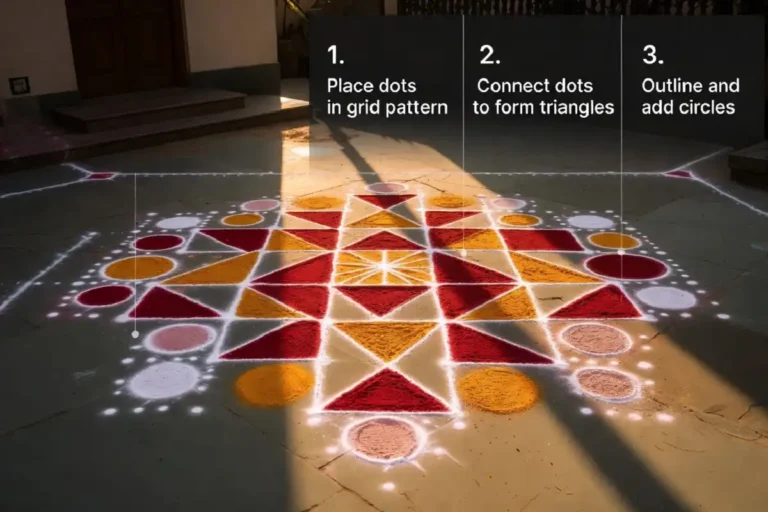
Concentric circles, triangles, squares, and repeating forms create structure and help maintain visual balance.
Mythological Themes
Depictions of deities, festivals, and epic stories can connect a competition design with meaningful cultural ideas.
Traditional inspiration can be especially effective when it is combined with a fresh composition rather than copied directly.
Essential Competition Unique Rangoli Design Elements
Understanding the basic ingredients of a strong composition is the first step toward creating a successful competition Rangoli.
Balance and Symmetry
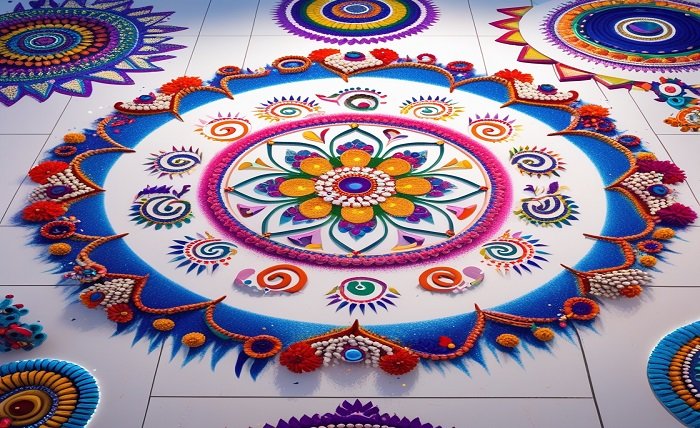
Symmetrical patterns demonstrate precision and harmony. Balanced placement of motifs can make even a detailed design feel organized.
Use of Color
A bright but balanced color palette can make your Rangoli immediately noticeable without allowing individual elements to compete with each other.
Creative Materials
Consider flowers, grains, seeds, and other environmentally friendly materials alongside traditional Rangoli powders.
Theme Representation
A design becomes more meaningful when its imagery and composition clearly connect with the competition theme.
Contemporary Reimaginings of Classic Designs
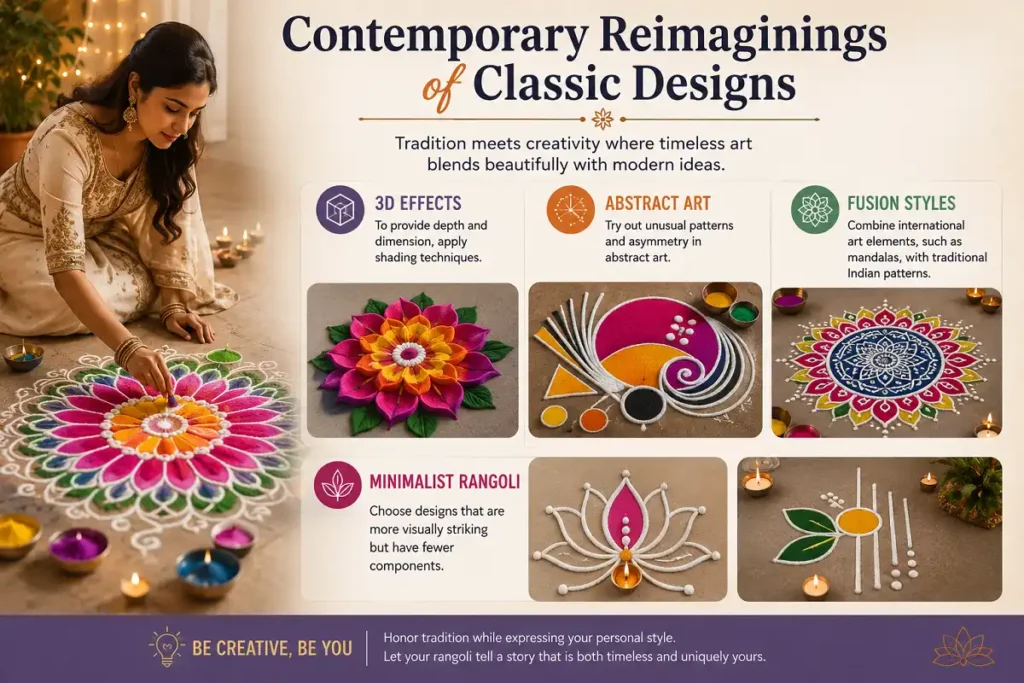
One effective way to make your work memorable is to give traditional Rangoli a contemporary interpretation. The goal is not to abandon tradition, but to build something new from familiar artistic elements.
3D Effects
Use shading, highlights, and carefully placed colors to create an impression of depth and dimension.
Abstract Patterns
Experiment with unusual arrangements, flowing shapes, and controlled asymmetry for a more artistic composition.
Fusion Styles
Combine international artistic influences, such as mandala-inspired structures, with traditional Indian Rangoli patterns.
Minimalist Rangoli
Reduce the number of elements while emphasizing strong shapes, clean spacing, and visual impact.
Competition Unique Rangoli Designs: Themed Ideas
Many Rangoli contests are built around a specific theme. Instead of treating the theme as an afterthought, use it as the starting point for your concept.
Nature-Inspired Designs
Highlight the environment through wildlife, flowers, trees, landscapes, or other natural elements.
Festive Motifs
Create designs around celebrations such as Christmas, Diwali, or Pongal.
Social Causes
Use Rangoli to communicate ideas connected with education, climate change, women’s empowerment, or other meaningful causes.
Cultural Heritage
Showcase folklore, traditional stories, monuments, regional traditions, or other aspects of cultural heritage.
A Comprehensive Guide to Crafting a Rangoli Deserving of Competition
A beautiful competition Rangoli becomes easier to execute when the creative process is divided into clear stages.
Arrange Your Design
Sketch your concept on paper first so you can evaluate proportions, composition, and important details before working on the floor.
Select Your Resources
Choose suitable powders, grains, flowers, seeds, or other materials based on the concept and expected finish.
Get the Surface Ready
Clean and smooth the floor to create an even base for your Rangoli.
Describe the Design
Create the initial layout using chalk or white Rangoli powder. Establish the major shapes before adding details.
Fill with Colors
Begin with larger areas and gradually work toward smaller sections and finer details.
Add Final Touches
Finish the composition with petals, glitter, diyas, or other carefully selected decorative elements.
How to Make a Statement at Rangoli Contests
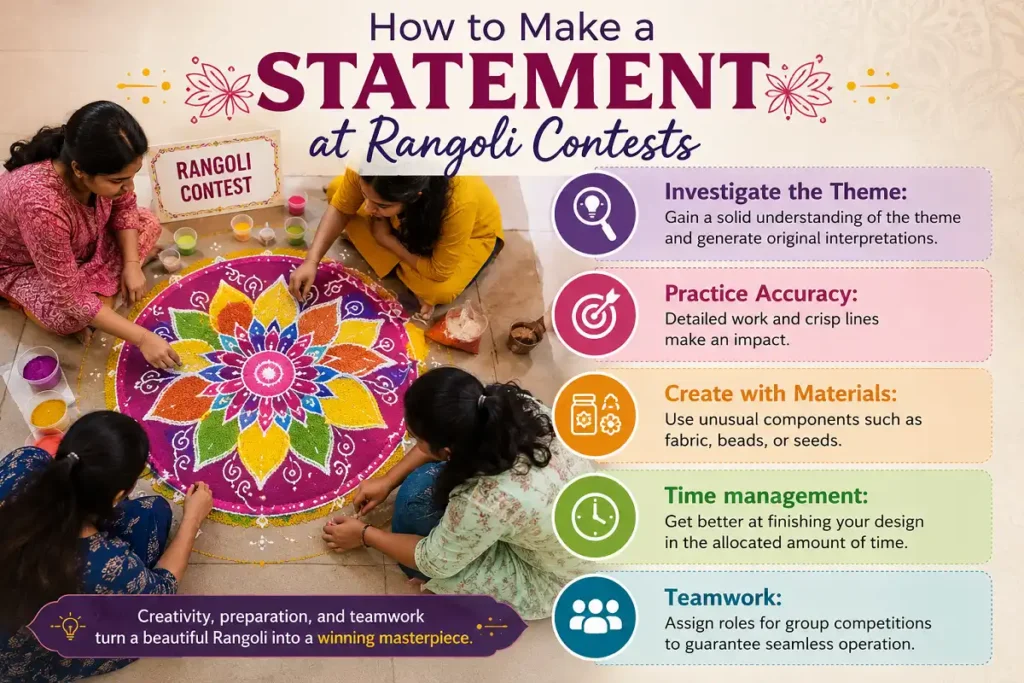
Investigate the Theme
Understand the competition theme thoroughly and develop an original interpretation rather than choosing the first obvious idea.
Practice Accuracy
Crisp lines, careful spacing, and detailed execution can make a major difference in the final presentation.
Create with Materials
Consider unusual components such as fabric, beads, seeds, or other materials when they fit the design.
Manage Your Time
Practice completing your design within the competition’s allotted time so you can finish without rushing the final details.
Use Teamwork
For group competitions, assign clear roles so preparation, filling, detailing, and finishing can happen smoothly.
Common Errors to Steer Clear Of
Overcomplicating the Design
Extremely complicated patterns can become difficult to execute and may lose visual clarity.
Ignoring Proportions
Uneven sizing or poorly distributed elements can disturb the harmony of the entire composition.
Inconsistent Colors
Clashing or overly muted colors can reduce the visual impact of an otherwise strong design.
Skipping Practice
Without rehearsal, mistakes are more likely during the competition, especially when working under time pressure.
Let Creativity Lead the Competition
Competition unique rangoli designs offer a wonderful opportunity to celebrate creativity, art, and culture. By combining traditional elements with modern techniques, you can develop distinctive designs that leave a lasting impression.
Whether you are new to Rangoli or already experienced, continuous practice and experimentation are the keys to mastering this beautiful art form. Start with a strong concept, execute it carefully, and allow your own creative style to become the most memorable part of the design.