Best Rangoli Designs Brighten Your Celebrations
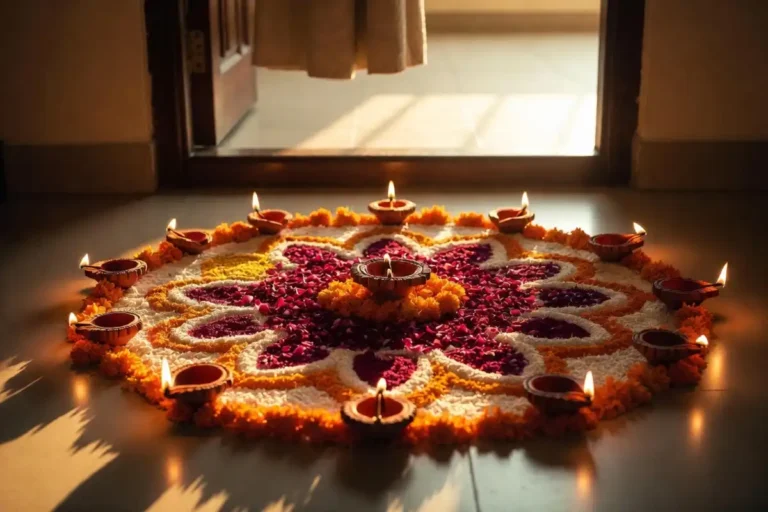
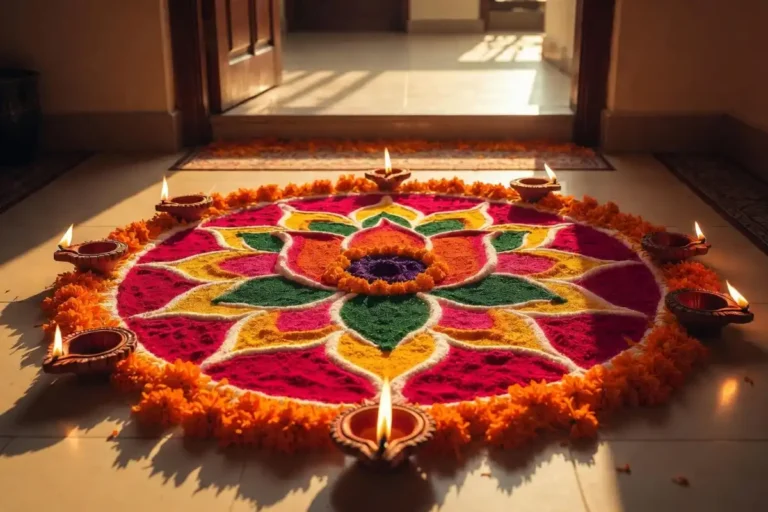
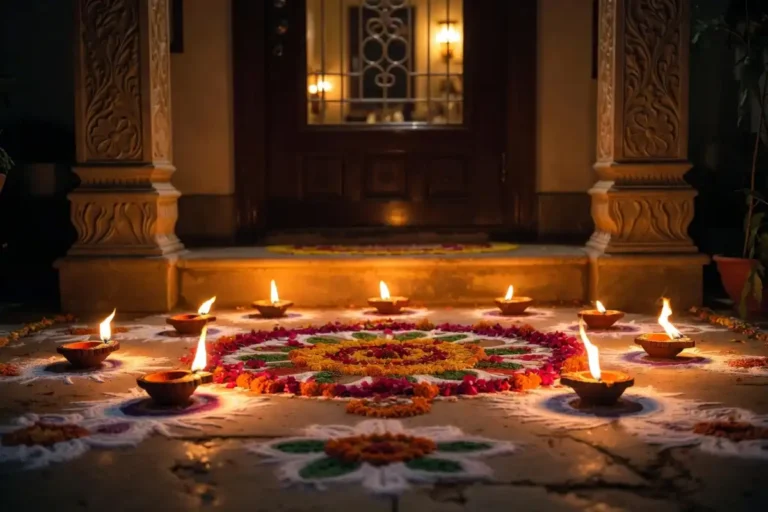
People all around the nation have a particular place in their hearts and homes for Rangoli, an ancient Indian art form. Best rangoli designs — a phrase that comes from the Sanskrit words “Rang” (color) and “Aavalli” (row) — describes the vibrant designs made on the ground with a variety of materials, such as sand, rice, flowers, or colored powders.
In order to infuse the home with optimism, tranquility, and prosperity, these elaborate decorations are customarily created during festivals, festivities, and significant occasions.
Overview of Rangoli
As was previously noted, rangoli is a traditional Indian art form that is often done on the floor and involves the careful arrangement of colorful powders or other materials.
In addition to being a prominent custom for festivals like Diwali, Onam, and Pongal, it can also be produced for weddings, housewarmings, or any other celebration.
Rangoli’s Importance in Indian Culture
Indian culture has a long history with Rangoli. Best rangoli designs are seen as an auspicious symbol and are thought to keep bad energy out of the house in many parts of India.
It also stands for happiness, success, and fortune. Rangoli, which is made to appease gods and goddesses and bring benefits to the family, is very frequently connected to Hindu ceremonies.
Materials for Rangoli Designs
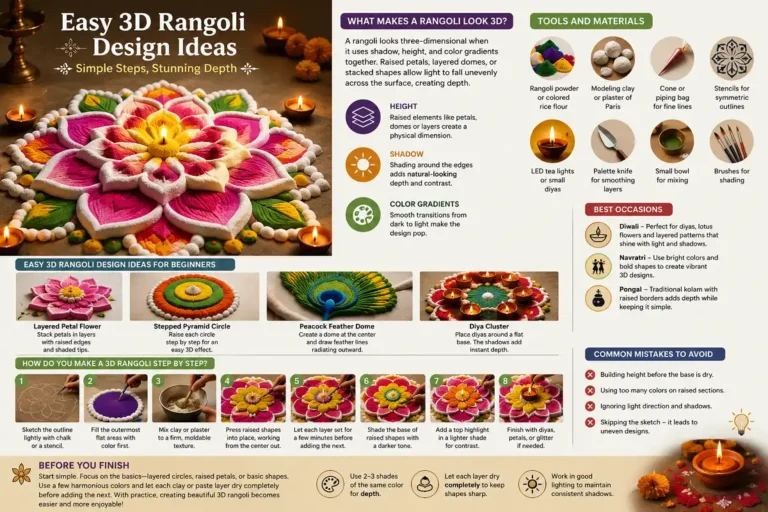
Depending on the occasion, availability, and personal tastes, rangoli designs can be made with a wide range of materials. The following supplies are frequently used to make best rangoli designs:
- Colored powders — Available in vivid shades of red, green, yellow, blue, and purple, these are the most popular medium for best rangoli designs.
- Flower petals — To add a natural, aromatic touch to Rangoli, fresh flowers such as marigold, jasmine, and rose petals are frequently utilized.
- Rice flour and chalk powder — In some places, especially those where colored powders might not be readily accessible, Rangoli is made with rice flour or chalk powder.
Types of Rangoli Designs
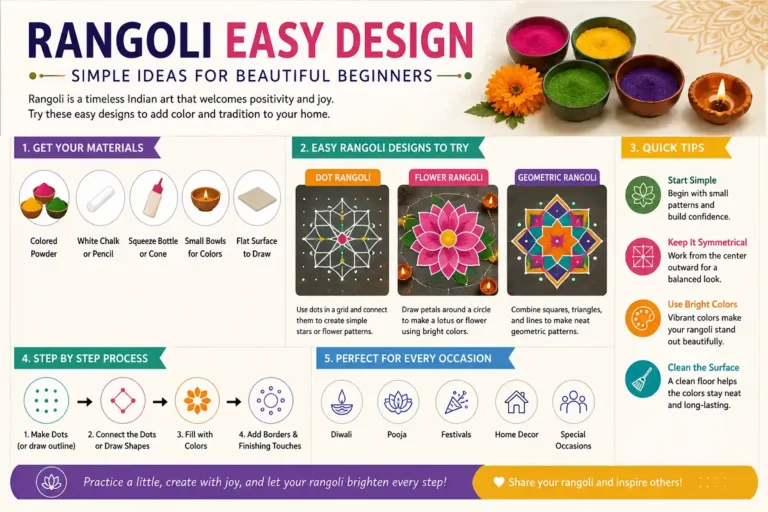
Best rangoli designs are available in a variety of styles, so there’s something for everyone, from easy designs for novices to more complex ones for skilled artists. You can experiment with the following kinds of Rangoli designs:
Simple and Easy Rangoli Designs for Beginners
Start with uncomplicated and basic designs that emphasize balance and symmetry if you’re new to best rangoli designs. Here are some suggestions:
Customary Rangoli Patterns
Generation after generation has perpetuated best rangoli designs. Cultural symbols, mythological tales, and the natural world are frequently the sources of inspiration for these designs. Here are some examples of conventional patterns:
Rangoli Designs: Modern and Contemporary
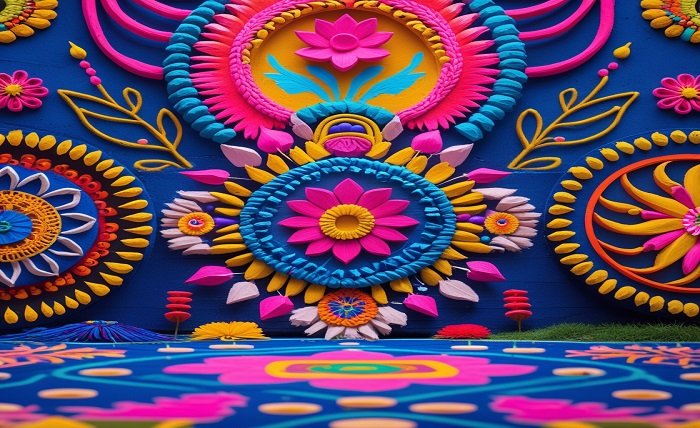
Best rangoli designs have changed over time, and modern features are now incorporated into contemporary designs. Various materials, including fabric, glass, and LED lights, may be used in these designs. Here are a few well-liked contemporary Rangoli concepts:
Conclusion
Rangoli patterns are a lovely way to honor Indian customs and give any event a unique flair. Best rangoli designs provide countless opportunities for creativity, regardless of your preference for contemporary or classic patterns.
It’s the ideal approach to displaying your creative abilities and infusing your house with happiness and optimism. So gather your supplies, find some inspiration, and begin working on your masterpiece right now!
FAQs
Q. What kind of material works best for Rangoli?
Your location and personal preferences will decide the best material. Rice flour, flower petals, colored powder, and even broken stones are common ingredients. While sand or stone may work best outdoors, colored powders or flowers are perfect for indoor rangolis.
Q. How can I ensure symmetry in my Rangoli design?
To achieve symmetry, start by lightly sketching your design using a pencil or chalk. Stencils are another tool you may use to keep the design consistent.
Q. Is it possible to create Rangoli patterns on a rug or carpet?
You can use temporary materials like colored sand, fabric, or even digital Rangoli designs on a carpet or rug, even though Rangoli is often formed on hard surfaces like the floor. Read more about best rangoli designs.
🎨 Ready to start your own masterpiece?
Explore 20 Easy Small Rangoli Design Ideas