Small Rangoli Design: 20 Beautiful Ideas That Are Easy to Make
Introduction
Have you ever wanted to decorate your home with rangoli but felt overwhelmed by complex patterns? A small rangoli design is your perfect starting point — quick to create, easy to master, and absolutely gorgeous.
Whether it’s Diwali, a wedding, or just a regular Tuesday morning, a simple small rangoli design at your doorstep can transform your entire entrance. In this guide, you’ll discover 20+ stunning ideas, tips for beginners, color tricks, and step-by-step advice to create rangoli that truly stands out — even if you’ve never tried it before.
What Is a Small Rangoli Design?
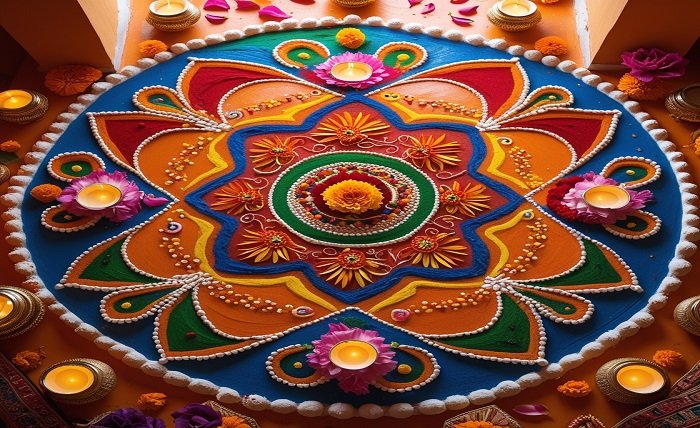
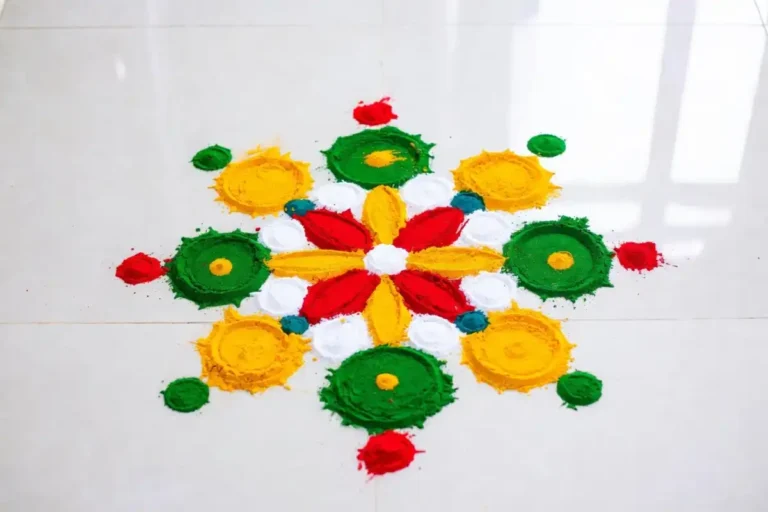
Rangoli is an ancient Indian art form created on floors or courtyards using colored powders, flower petals, rice, or sand. A small rangoli design typically fits within a 1–2 foot diameter space and uses minimal materials — making it ideal for daily use, small apartments, or quick festival decorations.
Unlike large, elaborate patterns, small rangoli designs:
- Take less time (5–20 minutes)
- Require fewer materials
- Are perfect for beginners and children
- Work beautifully near entrance doors, pooja rooms, and balconies
Why Choose Small Rangoli Designs?
Perfect for Daily Use
Large rangoli patterns are stunning but impractical for everyday life. Small designs, however, can be made fresh every morning — a tradition in many Indian households called kolam or muggulu. They bring positive energy, artistic beauty, and a sense of mindfulness to your daily routine.
Ideal for Beginners
If you’re new to rangoli, starting small is the smartest approach. You practice shapes, color combinations, and symmetry without the pressure of filling a large canvas. Once you’re confident, you can gradually scale up to more complex designs. For inspiration on where to start, check out these simple rangoli design ideas that are easy to try.
Versatile Across Occasions
A small rangoli design works for virtually every event:
- Diwali – Lamps, diyas, and lotus motifs
- New Year – Star patterns and vibrant color combos
- Navratri – Floral and goddess-inspired themes
- Daily décor – Simple dot-based patterns (dots rangoli)
- Weddings – Elegant peacock or paisley mini designs
Top 20 Small Rangoli Design Ideas
1. Simple Dot Rangoli (Kolam Style)
Connect dots in diagonal, horizontal, or grid patterns. This is the most beginner-friendly small rangoli design — no freehand drawing required. Start with a 5×5 dot grid and connect them with curves and lines.
2. Floral Petal Rangoli
Use marigold or rose petals to outline a small flower shape. Add a diya in the center. This takes under 10 minutes and looks incredibly beautiful for festivals.
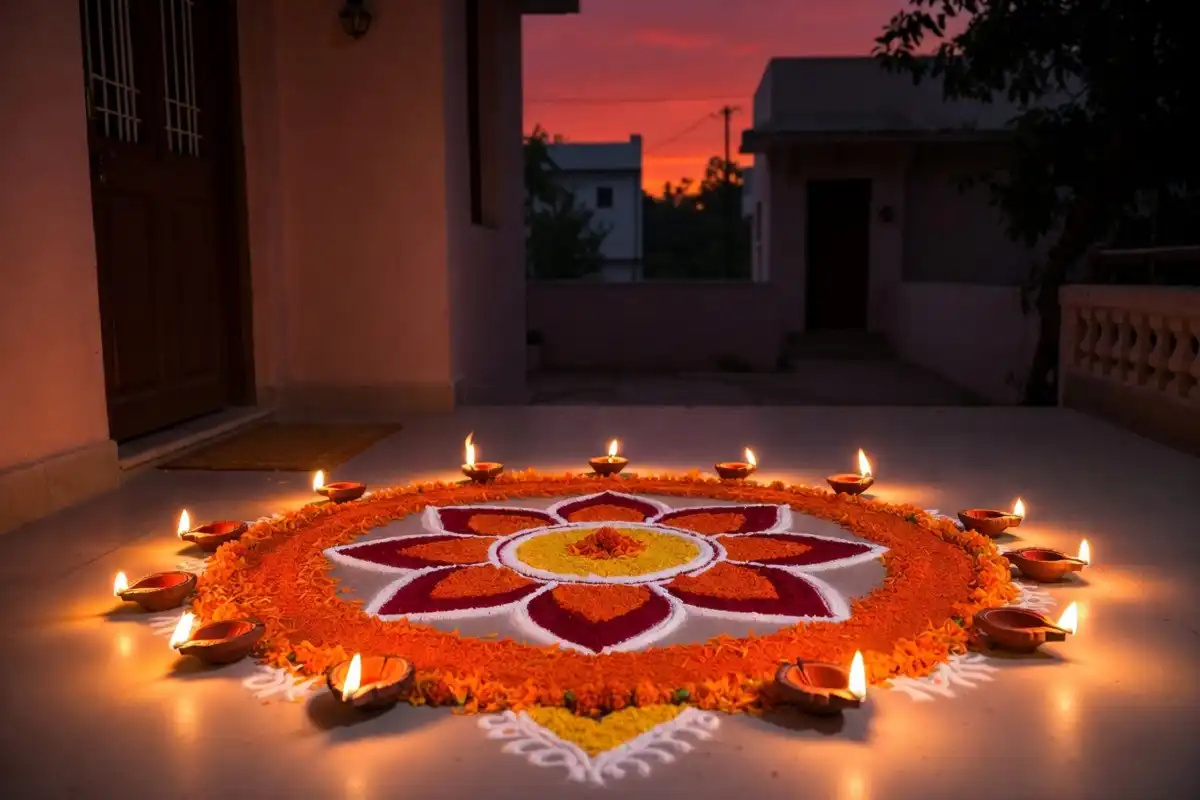
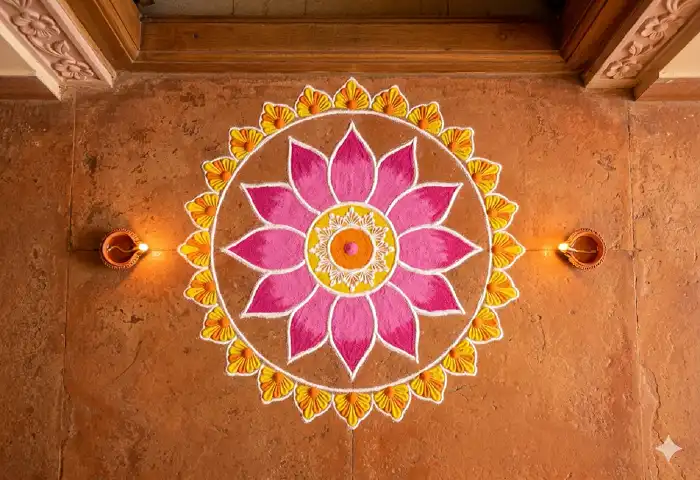
3. Single Lotus Design
Draw a small lotus with 6–8 petals using white chalk or rangoli powder. Fill alternating petals with pink and yellow. Simple, sacred, and stunning.
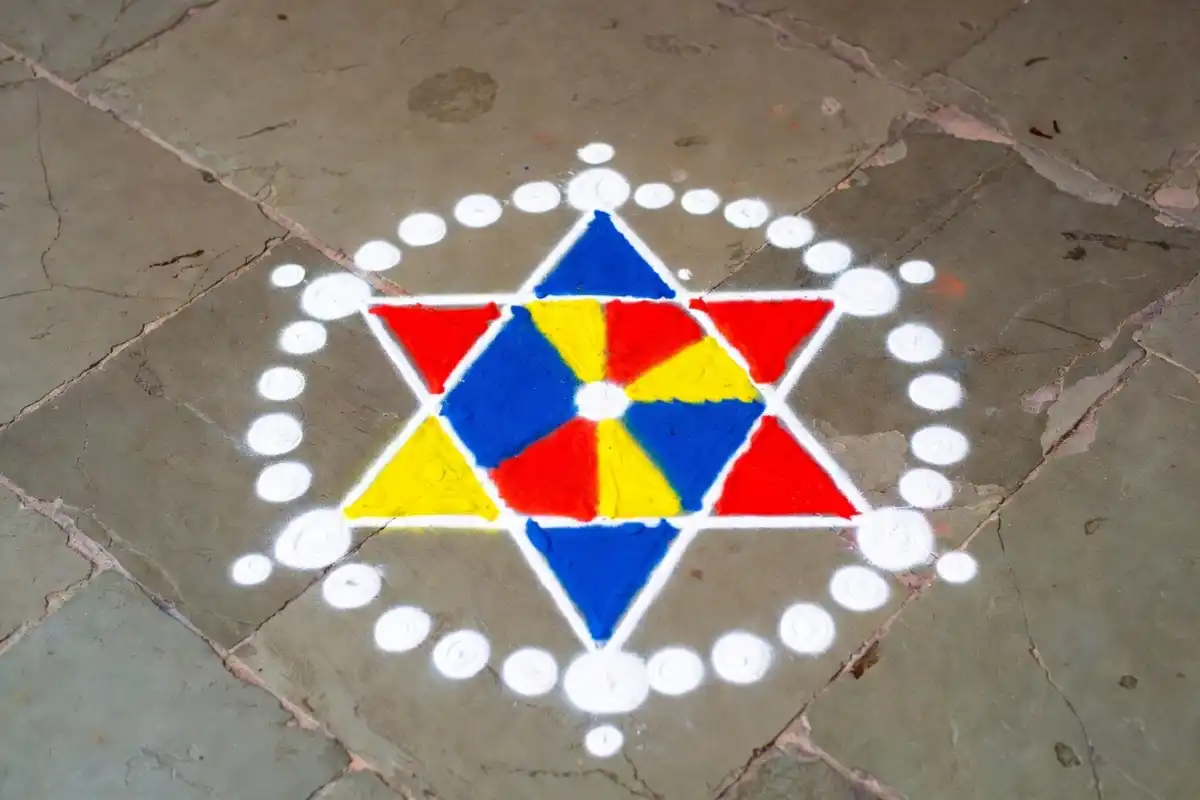
4. Star Pattern Rangoli
Overlap two triangles to create a six-pointed star. Fill each segment with a different color. This small rangoli design is geometric, symmetrical, and very satisfying to make.
5. Diya (Lamp) Motif
Draw a simple diya outline with an orange flame detail at the center. Surround it with small dots. Perfect for Diwali doorstep decoration.
6. Peacock Feather Mini Rangoli
Create one or two peacock feather shapes using blue and green powders. You don’t need an entire peacock — just the eye of the feather becomes a bold centerpiece.
7. Heart-Shaped Rangoli
Perfect for Valentine’s Day, anniversaries, or welcoming loved ones. Use red and pink powder, with tiny white dots along the border.
8. Swastika (Auspicious Symbol) Design
A traditional symbol of prosperity used during pujas and festivals. Keep it small, clean, and surrounded by floral dots.
9. Yin-Yang Inspired Pattern
A modern twist on traditional rangoli — create the yin-yang shape with contrasting white and black or pink and blue powders.
10. Geometric Triangle Rangoli
Repeating triangles pointing inward or outward. Fill with bold primary colors for a modern, eye-catching small rangoli design.
11. Simple Border Rangoli
Line the border of your doorstep with a repeating pattern — leaves, loops, or petals. These easy border rangoli side designs are quick and add elegance without much effort.
12. Butterfly Rangoli
Draw two simple wing shapes on each side of a central dot. Fill with bright yellow or orange. Children especially love making this one.
13. Moon and Stars Rangoli
A crescent moon with three small stars around it. Use silver glitter powder for a magical effect at night.
14. Om Symbol Rangoli
Sacred and simple. Draw the Om symbol with saffron or golden powder and surround it with small petals. Ideal for pooja rooms.
15. Rangoli with Candles
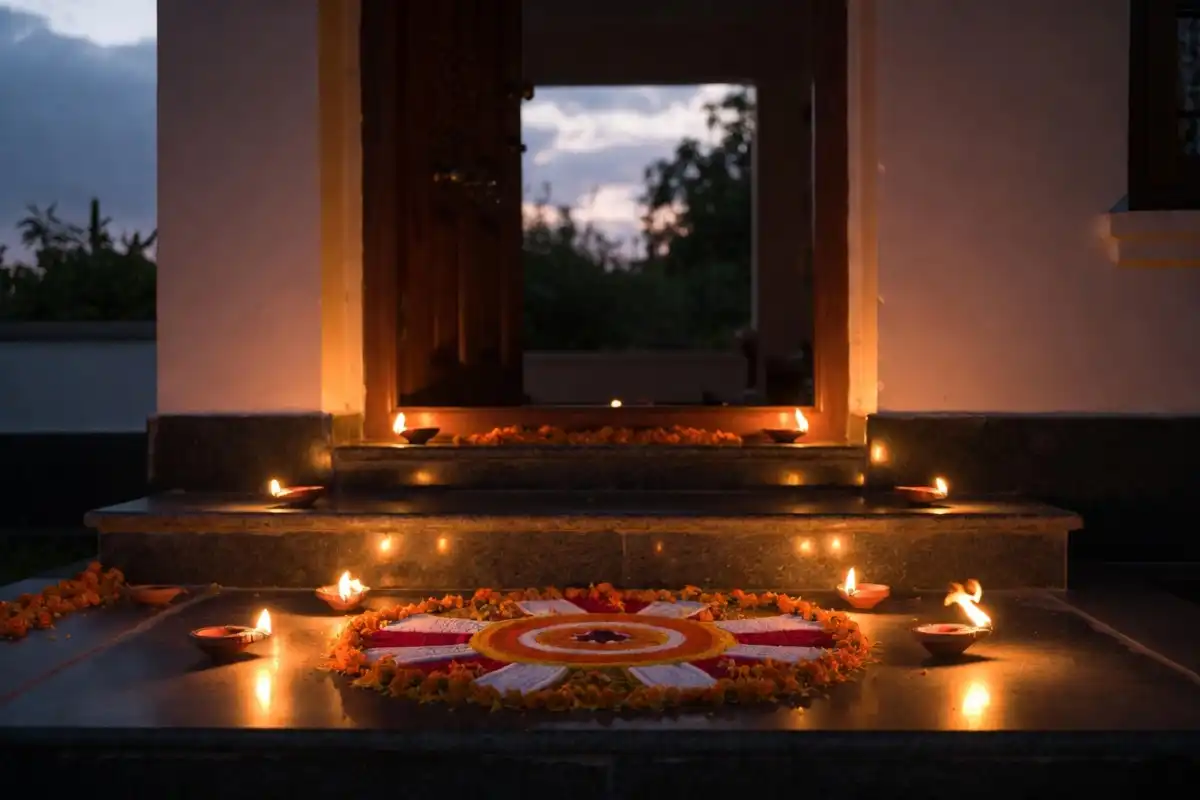
Place three small diyas in a triangle formation and draw a simple petal pattern connecting them. The candlelight makes even the simplest rangoli glow.
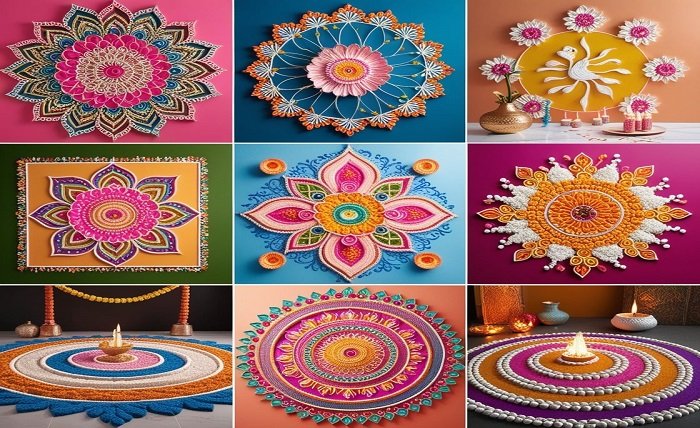
16. Mandala Mini Rangoli
A small mandala — concentric circles with petal details — is meditative to make and beautiful to display. Start with a central dot and work outward.
17. Fish Motif Rangoli
Fish symbolize prosperity and good luck in Indian culture. A pair of small fish facing each other with detailed scale patterns makes a charming small rangoli design.
18. Leaf Pattern Rangoli
Create a simple vine of leaves curling from one corner of the door frame. Use three shades of green for depth.
19. Laxmi Footprints Rangoli
Draw small footprint shapes (pahon) in white powder leading to your pooja room or main door. This is a beloved tradition during Diwali. For deeper inspiration, explore simple Laxmi rangoli designs for prosperity and festivity.
20. Rainbow Arc Rangoli
A simple half-circle divided into rainbow colors. Place it at the base of a door or wall for a cheerful, modern look.
Best Materials for Small Rangoli Designs
| Material | Best For | Difficulty |
|---|---|---|
| Colored rangoli powder | Vibrant, permanent designs | Beginner |
| Flower petals | Festivals, temporary décor | Beginner |
| Rice flour | Traditional kolam, daily use | Beginner |
| Sand/chalk | Outdoor, textured look | Intermediate |
| Acrylic colors | Long-lasting, waterproof | Intermediate |
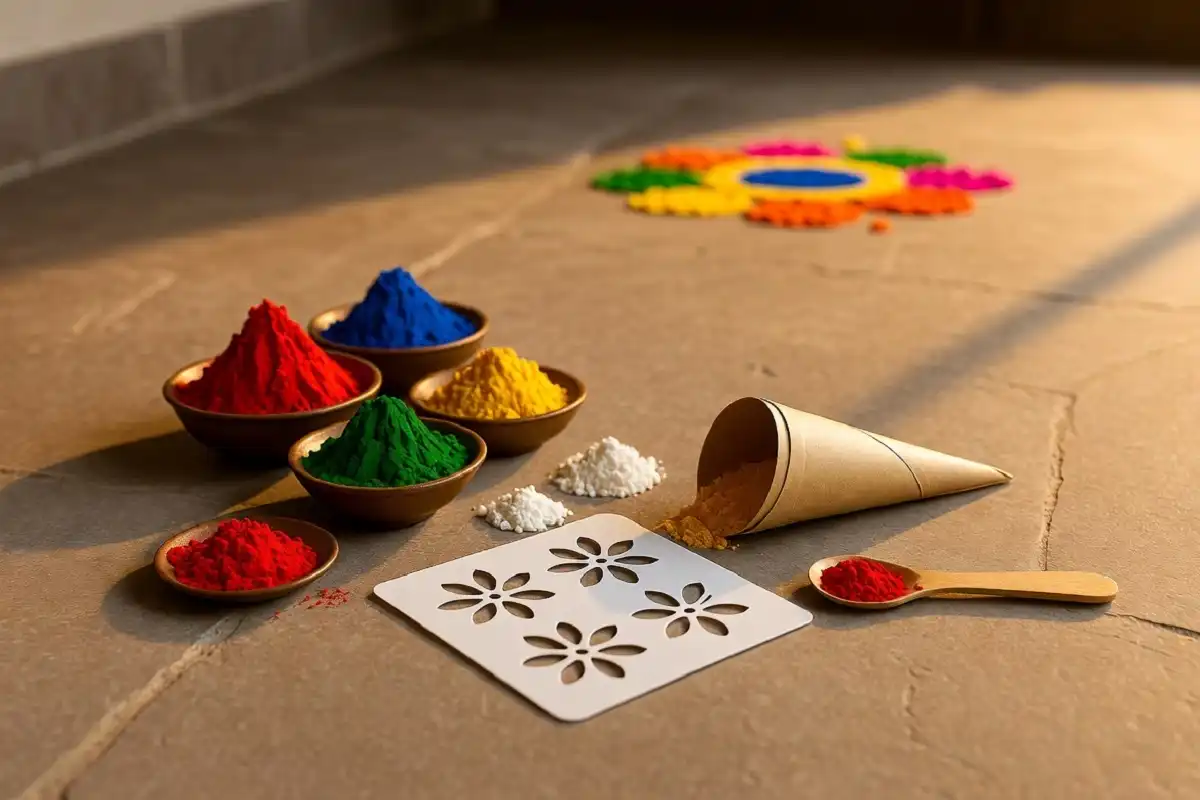
Tips for Making a Perfect Small Rangoli Design
Tip 1: Use a Stencil
Stencils are perfect for beginners. Place the stencil on the floor, pour powder inside the gaps, then lift carefully. You’ll get a clean, precise pattern every time.
Tip 2: Start With the Center
Always draw the central motif first, then work your way outward. This keeps your design proportional and symmetric.
Tip 3: Choose 3–4 Colors Only
For a small rangoli design, too many colors look cluttered. Stick to 3–4 complementary shades. Classic combos:
- White + Red + Yellow
- Pink + Orange + Green
- Blue + White + Gold
Tip 4: Use a Cone for Details
Roll paper into a small cone to apply fine lines and dot patterns. It gives you the precision of a pencil without the mess.
Tip 5: Seal It With Water
Lightly mist your finished design with water. This helps the powder stay in place longer, especially in breezy areas.
Small Rangoli Design for Festivals
Diwali Small Rangoli
Diwali is the most popular occasion for rangoli. Small designs with diyas, lotus flowers, and geometric stars look spectacular when lit up at night. Explore the best rangoli design for Diwali to try this year for more themed ideas.
New Year Small Rangoli
Welcome the New Year with fresh, vibrant patterns. Bold colors, number designs (like “2025”), and star bursts are popular choices. Browse new year rangoli design ideas for beginners to find something you’ll love.
Daily Doorstep Kolam
In South India, small white rice flour patterns (kolam) are drawn every morning as an offering and a welcome sign. These typically feature interlocking curves, loops, and dots — meditative and beautiful.
Small Rangoli Designs for Pooja Room
The pooja room is a sacred space where a small rangoli design adds devotion and beauty. Recommended motifs:
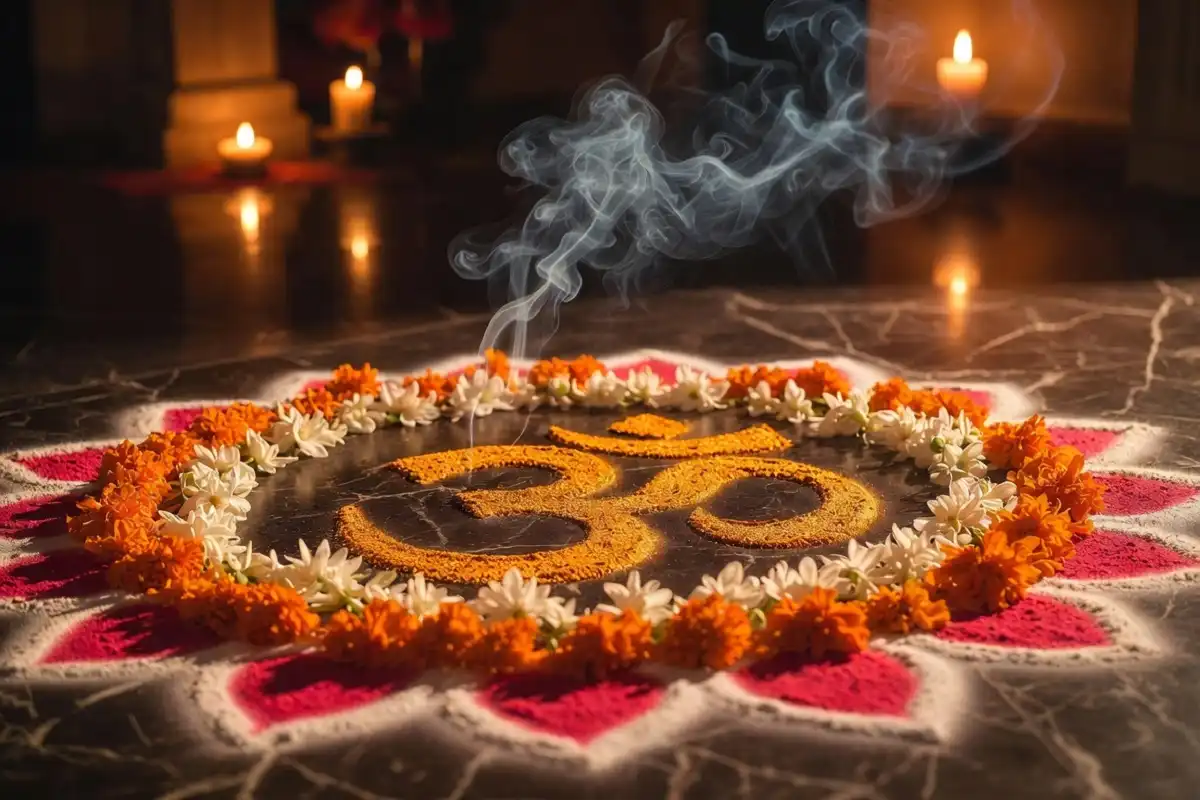
- Om symbol — spiritual and minimal
- Lotus — purity and divinity
- Swastika — auspiciousness and prosperity
- Diya — light and offerings
- Laxmi footprints — inviting the goddess of wealth
Keep colors in saffron, white, yellow, and red for traditional pooja room rangoli.
Common Mistakes to Avoid
- Making it too large: A small rangoli design loses its charm when stretched too wide. Keep it tight and proportional.
- Using too many colors: More isn’t always better. Limit your palette for a clean, polished look.
- Skipping the outline: Always draw a light chalk outline before filling in colors. It acts as a guide.
- Ignoring the background: The floor color matters. White or light stone floors make colors pop more than dark surfaces.
- Rushing the details: Even a small design deserves patience. Take your time with petal edges and dot placements.
Where to Find More Rangoli Inspiration
Looking for patterns beyond the basics? Here are some excellent places to explore:
- Unique and attractive rangoli designs for every occasion — a treasure trove of creative ideas
- Wikipedia’s article on Rangoli — rich cultural and historical context
- Beautiful rangoli designs you can easily make this season — seasonal and festival-specific picks
- Canva’s Color Wheel Tool — to find perfect color combinations for your rangoli
FAQ: Small Rangoli Design
Q1. What is the easiest small rangoli design for beginners?
The easiest small rangoli design for beginners is the dot-based kolam pattern. Simply place dots in a grid and connect them with curved lines. No artistic skill is required — just patience and a steady hand.
Q2. How long does a small rangoli design take to make?
Most small rangoli designs take between 5 and 20 minutes depending on complexity. A basic dot pattern takes about 5 minutes, while a detailed floral or lotus design may take up to 20 minutes.
Q3. What materials are needed for a small rangoli design?
You’ll need colored rangoli powder or chalk, a stencil (optional), a small cone or spoon for detail work, and a flat, clean floor surface. Flower petals and diyas are optional but add a beautiful finishing touch.
Q4. Can kids make small rangoli designs?
Absolutely! Small rangoli designs are perfect for children. Start them with stencil-based designs or simple flower petal patterns. It’s a great way to introduce kids to Indian culture and art.
Q5. How do I make a small rangoli design last longer?
To extend the life of your small rangoli design, apply a light spray of water or a fixative spray over the finished design. Avoid placing it in high-traffic walkways or areas prone to wind.
Q6. What are good small rangoli designs for Diwali?
For Diwali, popular small rangoli designs include the lotus, diya motif, Laxmi footprints, star patterns, and Om symbols. Use festive colors like orange, red, yellow, and gold to match the celebratory mood.
Conclusion
A small rangoli design is proof that beauty doesn’t need to be complicated. With just a handful of colored powders, a few minutes of time, and a little creativity, you can create something that brightens your home and lifts your spirit every single day.
Whether you’re decorating for Diwali, welcoming the New Year, or simply adding a daily touch of art to your doorstep, there’s a small rangoli design perfect for every moment and every skill level.
Ready to start creating? Pick one design from this list, gather your materials, and bring your floor to life today. Don’t forget to share your creation on social media and inspire others to embrace this beautiful art form!
For more stunning ideas and inspiration, explore simple unique rangoli designs to brighten your space and keep your rangoli journey going all year round.